 Votiva
 Holding On to Living A Healthy Lifestyle Over Time, Made Simple
Here is a practical, no-nonsense way to think about living a healthy lifestyle in everyday life. The focus is on habits you can actually keep, not a short-lived push. The rest of this article walks through living a healthy lifestyle step by step, in plain language.
The simple version
The key point is that a healthy lifestyle also tolerates variety. Rigid rules tend to break, and breaking them frequently triggers abandonment rather than adjustment. A pattern that survives holidays, illness, deadlines, and grief is worth more than an optimal pattern that survives only when conditions are favourable. Conditions are rarely favourable for long. The measure of a lifestyle is what remains when they are not.
Step by step
More often than not, a lifestyle is not a plan. It is the accumulation of what a person does repeatedly, mostly without deliberation. This distinction makes a difference, because plans are chosen consciously while lifestyles are constructed by default — by the neighbourhood someone lives in, the hours they work, the food that is easy to reach at seven in the evening.
What to do first
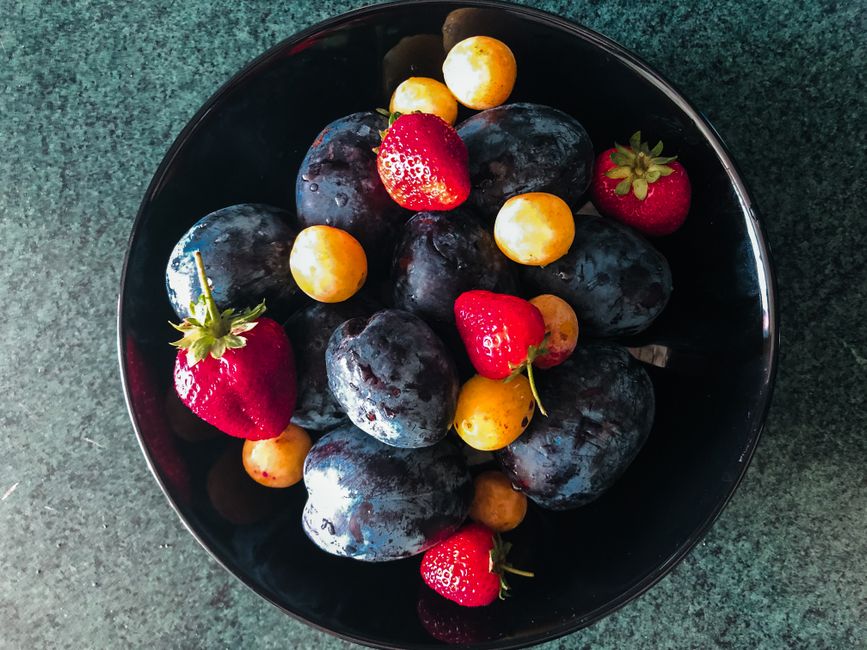
Seen this way, living healthily is less about willpower and more about arrangement. The person who walks to work has not made a fitness decision; they have made a housing decision that produces movement automatically. The person who keeps fruit on the counter and biscuits in a high cupboard has adjusted the friction of two choices rather than the strength of their resolve.
What matters most is fitting this around your real routine, so it becomes something you barely have to think about.
What to keep doing
Every area of health responds to this logic. Sleep improves when the bedroom is dark and the phone charges in another room. Hydration improves when a bottle sits on the desk. Mental steadiness improves when a day contains a boundary — a point after which work stops. Preventive care happens when appointments are booked in advance rather than deferred to a moment of concern. You can read more from MedlinePlus, from the U.S. National Institutes of Health.
It helps to focus on what you can realistically do most days, rather than an ideal you can only manage occasionally.
A quick self-check
The key point is that none of this eliminates effort. Arrangement lowers the cost of effort; it does not remove it. There will still be evenings when cooking feels impossible and mornings when the alarm is unwelcome. What good arrangement does is ensure that a difficult day produces a small deviation rather than a collapse.
Practical tips
A few simple things tend to help:
- Keep the useful option easy to reach and the tempting one a little harder.
- Start small and stay consistent rather than aiming for a dramatic change.
- Notice what works for you personally, since everyone responds a little differently.
- Anchor a new habit to something you already do each day, like your morning coffee.
The bottom line
Take it one small step at a time. Keep it simple, be patient with yourself, and let small changes add up. That is usually all it takes.
Frequently asked questions
What is the single most important thing to focus on?
Consistency. A modest routine you actually keep beats an ambitious plan you abandon after a week.
Do I need special equipment or money?
No. Most of what helps is free or low-cost, and the simplest options are usually the ones people stick with.
How long before I notice a difference?
It varies from person to person. Give any new habit a few weeks of consistency before deciding whether it is working for you.
Is this relevant if I'm just starting out?
Yes. You can begin with one small change and build from there. With living a healthy lifestyle, steady progress beats trying to do everything at once.