 Votiva
 Building a Daily Routine Around The Ordinary Virtues Of Walking
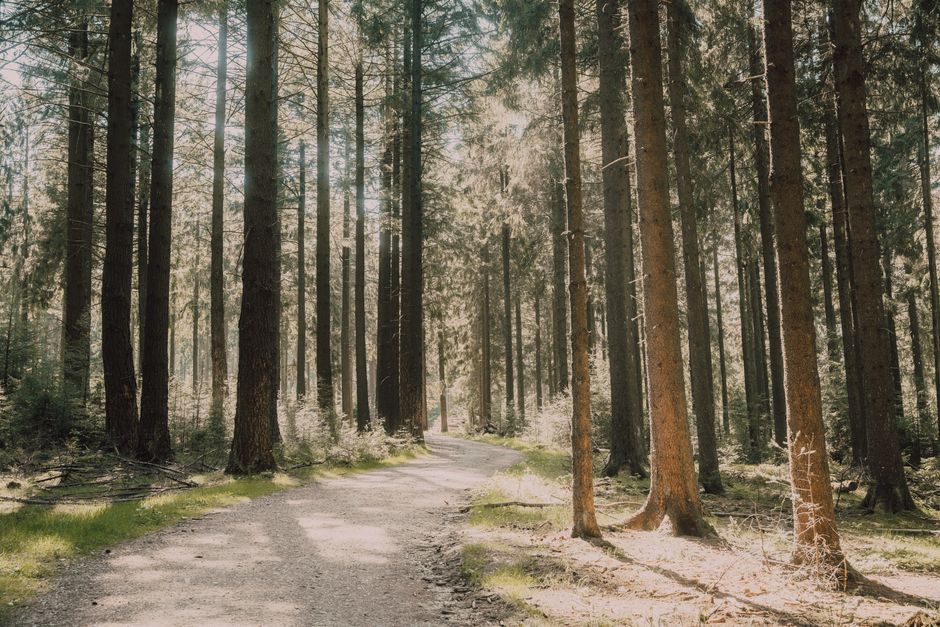
The easiest way to stay on top of the ordinary virtues of walking is to build it quietly into a daily routine. Think of it as gentle maintenance rather than a strict programme. Let's look at what actually matters with the ordinary virtues of walking, and what you can safely ignore.
Why routines beat willpower
It is also social in a way that gyms are not. A walk accommodates a companion, a child, a dog, a phone call, and a range of fitness levels. It costs nothing, which makes it available across circumstances where other forms of exercise are not.
The goal is progress you can maintain, not perfection you have to chase and eventually abandon.
Anchoring a new habit
The reasons walking is dismissed are instructive. It generates no purchase, no membership, no measurable transformation, and no photograph. It is what people did before exercise was invented, and its ordinariness is mistaken for insufficiency.
A simple morning version
On a day-to-day level, the correct response is not to elevate walking into a protocol with prescribed step counts and heart-rate zones, which merely reintroduces the machinery it usefully escapes. It is to walk — to work, after dinner, around a park at lunchtime, on Sunday for no reason — and to allow it to remain the unremarkable thing it is.
The practical takeaway is to keep the ordinary virtues of walking simple enough that it survives a busy week, not just a good one.
A simple evening version
Worth keeping in mind: walking is the most thoroughly recommended and least respected form of physical activity. It requires no equipment, no facility, no instruction, and no change of clothing, and its effects are broad enough that if it were sold as a product the claims would be disbelieved.
Handling the days it slips
In practice, physiologically it improves cardiovascular fitness at sufficient intensity, assists glucose regulation particularly after meals, maintains joint mobility, and preserves the balance and gait that determine independence in later decades. It is one of the few activities that can be performed daily for a lifetime without accumulating damage. For evidence-based detail, MedlinePlus (National Institutes of Health) offers helpful guidance.
The practical takeaway is to keep the ordinary virtues of walking simple enough that it survives a busy week, not just a good one.
Letting it become automatic
Its psychological effects are less easily measured and at least as significant. Walking outdoors combines movement, changing visual scenery, daylight, and a rhythm that appears to loosen thought. Problems resolve on walks that did not resolve at desks. Difficult conversations are easier conducted side by side than face to face. Grief is often more bearable in motion.
Practical tips
A few simple things tend to help:
- Keep the useful option easy to reach and the tempting one a little harder.
- Ask for a little support from someone around you when you can.
- Aim for good enough on busy days instead of skipping entirely.
- Protect your sleep, since it quietly makes everything else easier.
The bottom line
Take it one small step at a time. None of this needs to be perfect. A few steady habits, kept up over time, tend to do far more than any short-lived effort.
Frequently asked questions
What is the single most important thing to focus on?
Consistency. A modest routine you actually keep beats an ambitious plan you abandon after a week.
Is this suitable for busy people?
Yes. Most of the ideas here fold into things you already do each day, so they take little extra time.
How long before I notice a difference?
It varies from person to person. Give any new habit a few weeks of consistency before deciding whether it is working for you.
Do I need special equipment or money?
No. Most of what helps is free or low-cost, and the simplest options are usually the ones people stick with.